How Long Does an EBA Vote Take? Timeline & Process
Tuesday, 28 April 2026, 6:11 pm

EBA Vote Timelines: What Actually Happens (and How Long It Takes)
When clients ask how long an enterprise agreement vote takes, they are usually expecting a neat answer.
There isn’t one.
You can run a clean, well-organised vote in just over three weeks. You can also watch the same process stretch out to six weeks or more because something small was missed early on. That is the reality.
If you want a dependable benchmark, most EBA votes land somewhere in the three to six week range from setup through to result. The legislation sets some hard minimums, but the rest comes down to how the process is managed.
The framework itself is set out by the Fair Work Ombudsman and the approval process is handled by the Fair Work Commission. What follows is how that plays out in practice.
1. Pre-Vote Preparation (Usually 1–2 Weeks)
This stage does not look complicated on paper. In practice, it is where most problems start.
You need a finalised agreement, a reliable list of eligible employees, and clarity around how the vote will actually run. That includes confirming voting channels, drafting communications, and making sure the Notice of Employee Representational Rights (NERR) was issued correctly earlier in bargaining.
Then there is the access requirement. Employees must have the agreement — and anything it refers to — for at least seven clear days before voting opens. No shortcuts here.
If your voter list is clean and your internal approvals are sorted, this phase can move quickly. If not, it drags.
2. The Access Period (Minimum 7 Clear Days)
This is one of the few parts of the process that is fixed.
The law requires at least seven clear days between employees receiving access to the agreement and the vote opening. “Clear days” means you count full days in between — not the day documents are issued, and not the day voting starts.
During that time, employees must be given the agreement, any incorporated materials, and an explanation of the terms and their effect. That explanation matters. If it is superficial or unclear, it can come back to bite at approval stage.
In real terms, this week is less about waiting and more about engagement. Questions come in. Concerns surface. If you ignore them, participation usually drops.
3. Voting Period (Typically 5–14 Days)
Once the access period closes, voting can open.
There is no prescribed length for the voting window, which gives employers some flexibility. Most land somewhere between five and fourteen days, depending on the workforce.
An office-based team with regular email access can get through a vote quickly. A workforce spread across shifts, sites or regions is a different story — you need to allow time for people to actually see the notice and respond.
The test is simple: did employees have a genuine opportunity to vote? If the answer is questionable, the risk sits with the employer.
4. Counting and Declaration (Usually Immediate)
Once voting closes, the result itself is straightforward.
With paper ballots, you are dealing with logistics — collecting, checking, counting. It can take time, and errors are not uncommon.
With online voting, the result is effectively there the moment the ballot closes. No manual count, no reconciliation exercise, and a clear record of participation.
That immediacy is not just convenient. It reduces the chance of disputes about how the result was reached.
5. Lodgement with the Commission
After the vote passes, the agreement goes to the Fair Work Commission for approval.
This step is often underestimated. The Form F17 declaration needs to line up with what actually happened during the vote — timing, communications, access, everything.
If there are inconsistencies or gaps, the Commission will ask questions. That is where timelines can quietly blow out.
So, What’s the Realistic End-to-End Timeline?
In practical terms:
That is how you arrive at the usual three to six week window.
Could it be faster? Yes. Should it be rushed? Not if you want it approved without issues.
Where Online Voting Actually Helps
Most delays are not caused by the law. They come from coordination — getting the right information to the right people at the right time.
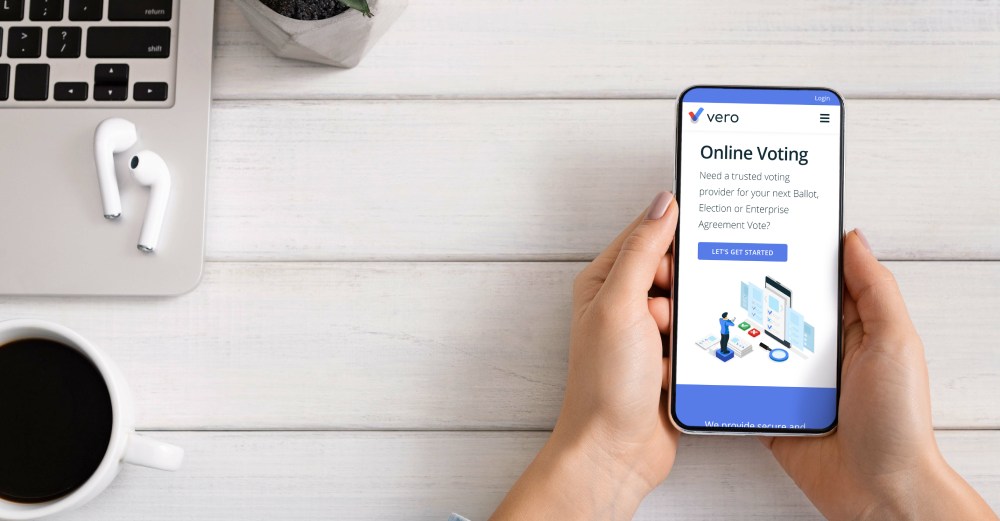
Online voting strips a lot of that out. Invitations are issued instantly, reminders can be scheduled, and participation is not tied to a physical location or shift pattern.
It also gives you something that is increasingly important at approval stage: a clean audit trail. Who was invited, when they accessed the material, whether they voted — it is all there.
That is typically where platforms like Vero Voting come in. Not to change the legal steps, but to make sure they happen in a controlled, defensible way.
Final Thought
An EBA vote is not inherently slow. It just does not tolerate loose ends.
If the groundwork is solid, the timeline looks after itself. If it is not, delays tend to show up late — usually when it is hardest to fix them.
If you are lining up a vote and want to keep it tight, it is worth getting the process mapped properly from the start. If you need a hand with that — or just want to sanity-check your timeline — feel free to reach out.