How Online Secret Ballots Are Audited for Integrity
Thursday, 23 April 2026, 5:13 pm
“If it’s secret, how do you audit it?”
That question comes up almost every time we talk to a new client. And it’s a fair one. On the surface, secrecy and auditability sound like they’re pulling in opposite directions.
They’re not.
In fact, when an online ballot is set up properly, you end up with a clearer, more defensible audit trail than most paper-based processes ever deliver — without compromising anonymity.
Start with a Simple Principle
The whole thing hinges on one idea: you never store identity and vote content together.
That’s it. Everything else builds from there.
In a well-designed system, you’re effectively keeping two separate records running in parallel:
Once a ballot is submitted, the link between those two records is gone for good. Not hidden — gone.
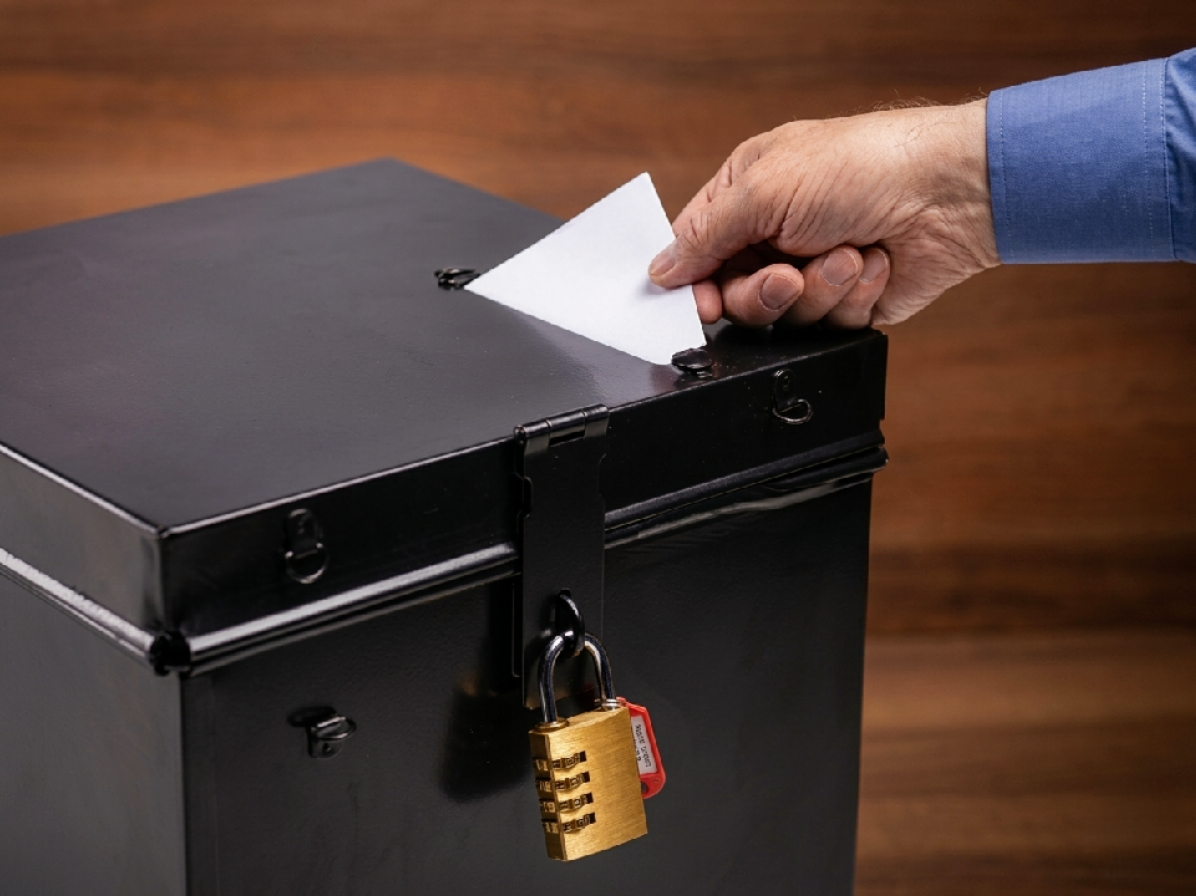
It’s the same logic as a physical election. You mark your name off, then your ballot goes into a box with everyone else’s. The difference is that online, every step can be tracked precisely rather than relying on process and trust.
If you look at ASIC’s guidance on meetings and voting procedures, the emphasis is always on accuracy of records and proper handling of votes. This approach lines up with that — just with better tooling underneath it.
What Actually Gets Logged (and Why It Matters)
Here’s where online systems quietly do a lot of heavy lifting.
Every action — and I mean every meaningful one — is logged as it happens. Invitations going out. A voter opening their ballot. A submission being made. The ballot closing. The count being run.
Each of those events is time-stamped and locked in place.
Not just for record-keeping, but so that if someone ever asks, “what happened here?”, you’re not guessing. You can show them.
Most modern platforms also layer in cryptographic protections. Without getting too technical, that means:
Compare that to a manual count where the “audit trail” might be a few tally sheets and someone’s recollection of how the room felt at the time.
Different level of certainty.
The Australian Government’s Digital Service Standard talks a lot about building systems that are secure, traceable and reliable. This is exactly what that looks like in a voting context.
Independent Audits — When You Need That Extra Layer
For some votes, the internal record is enough. For others, it’s not.
Think contested elections, industrial ballots, anything where the outcome might be challenged. That’s where independent review comes into play.
An external auditor doesn’t just look at the final numbers. They go back through the process — how the ballot was configured, how access was controlled, what the logs show, whether the count can be reproduced.
In Australia, that kind of independence isn’t unusual. The Fair Work Commission, for example, expects a high level of assurance around the integrity of ballots it oversees.
It’s less about ticking a box and more about removing doubt. If the result matters, you don’t want questions lingering in the background.
What You’ll See in a Proper Audit Report
A good audit report reads more like a reconstruction than a summary.
It should walk through what actually happened — not just where things landed.
Typically, that includes:
If something unusual happened — even something minor — it should be there as well. That’s part of what gives the report weight.
You’re not just saying the process worked. You’re showing how it worked.
When Results Are Challenged
This is where all of the above stops being theoretical.
Because when a result is questioned, the conversation gets very practical, very quickly.
Were voters properly notified? Could anyone vote twice? Was the system secure? Can the result be verified independently?
If you can answer those questions with evidence — not assumptions — you’re in a strong position.
That’s consistent with ASIC’s expectations around record-keeping and governance. It’s not about perfection; it’s about being able to demonstrate what happened if you’re asked.
Where Vero Voting Comes In
From our side, auditability isn’t something we layer on afterwards. It’s baked into how the ballot runs.
Each vote produces a detailed, time-stamped record from start to finish. Identity data and vote data are kept separate by design, and the full event history is retained for review.
When needed, we work with independent auditors and provide structured reporting that can be relied on — whether that’s for internal governance, regulator review, or, in some cases, legal scrutiny.
Nothing fancy about it. Just a system that holds up when someone looks closely.
Final Thoughts
Secret ballots aren’t supposed to be opaque. They’re supposed to protect voters while still producing a result everyone can stand behind.
That balance is achievable — but only if the audit trail is there from the beginning.
If you’re planning a vote and want to see what that looks like in practice, reach out. We can step you through a real example and show you exactly how the audit side holds together.